
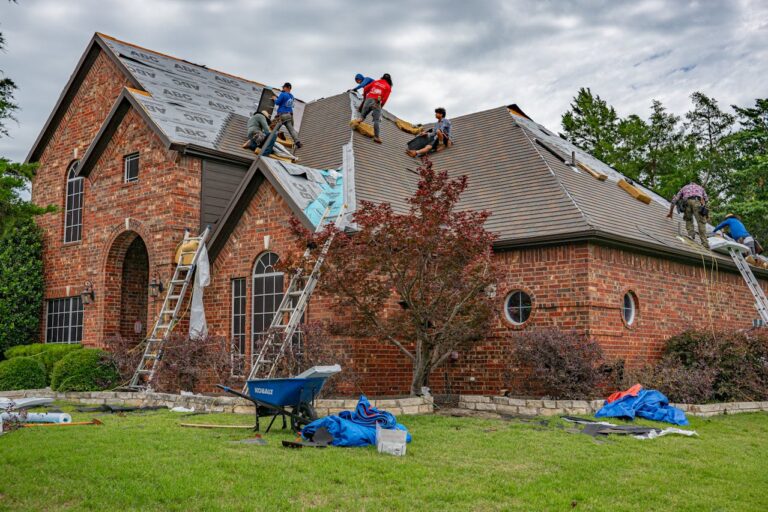
Roof replacement cost in 2026 has become a major concern for homeowners due to rising material prices, inflation in construction labor, and increased demand for energy-efficient roofing systems. Across many regions, roofing expenses have shifted noticeably compared to previous years, making budgeting more important than ever.
A roof is one of the most essential structural components of a home. When it reaches the end of its lifespan, replacement is not optional—it becomes a necessity for safety, insulation, and property value protection. This guide explains how roof replacement cost is calculated in 2026, what factors influence pricing, and how homeowners can make informed financial decisions
What Is Included in Roof Replacement Cost?
Roof replacement cost is not limited to new shingles or tiles. It includes a full system upgrade that ensures long-term durability and protection.
A standard roof replacement typically includes:
- Complete removal of the old roofing system (tear-off)
- Disposal of old materials and debris
- Installation of new underlayment and moisture barriers
- Replacement of shingles, tiles, or metal panels
- Flashing, ridge caps, and ventilation upgrades
- Labor charges for professional installation
- Permit fees and inspection costs
In many cases, additional structural repairs may be required if underlying damage is discovered during tear-off.
Average Roof Replacement Cost in 2026
The average roof replacement cost in 2026 varies widely depending on location, material, and home size.
General Cost Range:
- Low-end replacement: $5,000 – $9,000
- Mid-range replacement: $10,000 – $18,000
- High-end roofing systems: $20,000 – $50,000+
Cost Per Square Foot:
Most homeowners can expect to pay:
- $4.50 to $12 per square foot installed
Home Size Estimates:
- Small home (1,000 sq ft): $5,000 – $10,000
- Medium home (2,000 sq ft): $9,000 – $18,000
- Large home (3,000+ sq ft): $15,000 – $35,000+
These numbers reflect national averages and may vary significantly based on regional labor costs and roofing material selection.
Roof Replacement Cost by Roofing Material
Material selection is one of the strongest cost determinants in any roofing project.
Asphalt Shingles
Asphalt shingles remain the most commonly used roofing material due to affordability and ease of installation.
- Cost: $4.50 – $7.50 per sq ft
- Lifespan: 20–30 years
- Best for: Budget-conscious homeowners
Metal Roofing
Metal roofs are gaining popularity in 2026 due to energy efficiency and long lifespan.
- Cost: $8 – $14 per sq ft
- Lifespan: 40–70 years
- Advantage: Reflects heat, reducing energy bills
Clay and Concrete Tiles
Tile roofing is commonly used in warmer climates and luxury homes.
- Cost: $10 – $20 per sq ft
- Lifespan: 50+ years
- Benefit: Extreme durability and aesthetic appeal
Slate Roofing
Slate is a premium roofing option with the highest durability.
- Cost: $15 – $30+ per sq ft
- Lifespan: 75–100 years
- Best for: High-end properties and historic homes
Flat Roofing Systems
Flat roofs are common in modern and commercial-style homes.
- Cost: $6 – $12 per sq ft
- Materials: TPO, EPDM, modified bitumen
- Benefit: Easier maintenance and installation
Key Factors That Affect Roof Replacement Cost
Several variables influence roof replacement cost in 2026. Contractors typically evaluate these before providing estimates.
1. Roof Size
Larger roofs require more materials and labor, directly increasing total cost.
2. Roof Pitch and Complexity
Steep or complex roofs with multiple angles cost more due to safety requirements and installation difficulty.
3. Material Choice
Premium materials significantly increase pricing but offer a longer lifespan.
4. Geographic Location
Labor and material costs vary between urban and rural regions.
5. Removal of Old Roofing
Multiple layers or damaged roofs increase tear-off expenses.
6. Structural Repairs
Hidden damage, such as rotting wood or water damage, increases overall cost.
7. Seasonal Demand
Roofing costs often rise during peak construction seasons.
Labor Cost Breakdown in Roof Replacement
Labor typically accounts for 40% to 60% of the total roof replacement cost.
Skilled roofing contractors charge based on:
- Complexity of installation
- Roof height and safety requirements
- Local wage rates
- Project duration
In regions with high demand for contractors, labor costs can significantly exceed material costs.
Hidden Costs Homeowners Often Overlook
Many homeowners underestimate the total roof replacement cost because they fail to consider hidden expenses.
Common additional costs include:
- Rotten wood replacement
- Mold or water damage treatment
- Upgraded ventilation systems
- Permit and inspection fees
- Waste removal and landfill charges
Ignoring these factors can lead to budget overruns during construction.
Roof Replacement Cost by Home Size
Small Homes (1,000–1,500 sq ft)
- Estimated cost: $5,000 – $12,000
- Typically, a simpler roof structure
Medium Homes (1,500–2,500 sq ft)
- Estimated cost: $10,000 – $20,000
- Moderate complexity and material usage
Large Homes (2,500–3,500+ sq ft)
- Estimated cost: $18,000 – $40,000+
- Often includes complex roof design and multiple slopes
Even homes with similar square footage can have different costs depending on roof pitch and material selection.
Roof Repair vs Roof Replacement Cost Comparison
Homeowners often consider repairs instead of full replacement to reduce expenses.
Roof Repair:
- Cost: $300 – $2,500
- Suitable for minor leaks or damage
Roof Replacement:
- Cost: $5,000 – $50,000+
- Required for aging or severely damaged roofs
While repairs are cheaper in the short term, full replacement often provides better long-term value and reduces recurring maintenance costs.
How Home Location Impacts Roof Replacement Cost
Geographic location plays a major role in roofing expenses.
- Urban areas: Higher labor and permit costs
- Rural areas: Lower labor but higher material transport costs
- Coastal regions: Require storm-resistant materials
- Cold climates: Need insulation-heavy roofing systems
Local building codes may also influence material selection and installation methods.
Financing Options for Roof Replacement
Because roof replacement is a significant investment, many homeowners use financing solutions such as:
- Home improvement loans
- Insurance coverage (for storm or accident damage)
- Contractor payment plans
- Credit-based financing options
Some homeowners also refinance their mortgage to cover large roofing expenses.
How to Reduce Roof Replacement Cost in 2026
Homeowners can reduce costs without compromising quality by:
- Comparing multiple contractor quotes
- Choosing mid-range materials instead of premium options
- Scheduling work during off-peak seasons
- Maintaining roof health to delay full replacement
- Addressing minor issues early, before they escalate
Proper planning can reduce total expenses by 10%–25%.
Signs a Roof Replacement Is Needed
Roof replacement becomes necessary when warning signs appear, including:
- Frequent roof leaks
- Missing or curling shingles
- Sagging roof structure
- Excessive moss or mold growth
- Roof age exceeding 20–30 years
Ignoring these signs can lead to structural damage and higher repair costs.
ROI and Value Addition of Roof Replacement
Roof replacement is not just an expense—it is an investment.
Benefits include:
- Increased property resale value
- Improved energy efficiency
- Enhanced curb appeal
- Lower insurance premiums in some cases
According to housing market insights, homeowners can recover a significant portion of their roofing investment during resale.
Conclusion:
Roof replacement cost in 2026 depends on multiple factors, including material selection, labor rates, roof size, and structural complexity. While the investment can be substantial, a properly installed roof significantly improves home safety, energy efficiency, and long-term property value.
Homeowners are encouraged to obtain multiple professional inspections before making final decisions and to compare contractor estimates carefully. With proper planning, roof replacement becomes a strategic upgrade rather than an unexpected financial burden.