
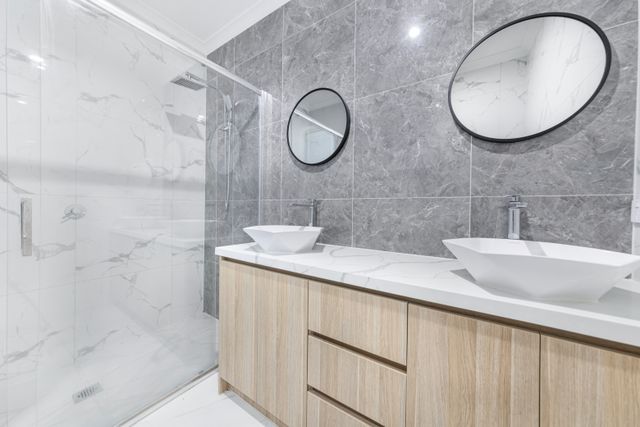
Understanding ADA Mirror requirements has become essential in modern bathroom planning, especially in public restrooms, commercial bathrooms, and high-traffic facilities. In 2026, architects, contractors, and facility managers increasingly prioritize Accessibility Standards to ensure full ADA Compliance and meet updated Compliance Standards.
| This guide explains complete Mirror Requirements, including Mirror Height, Mirror Placement, Mirror Installation, and Mirror Regulations. It is designed as a professional Compliance Guide based on widely accepted Accessibility Requirements and real-world Installation Standards used across the construction industry. |
Understanding ADA Compliance in Bathroom Design
What ADA Compliance Means
ADA Compliance refers to adherence to the Americans with Disabilities Act, which defines Accessibility Standards for public and commercial spaces. These rules ensure that individuals with disabilities can safely and independently use facilities.
In bathroom design, ADA rules focus on:
- Accessible entry and movement
- Proper fixture placement
- Safe and usable Bathroom Mirrors
- Correct Mirror Positioning for wheelchair users
Why ADA Standards Matter
ADA Standards ensure that Accessible Bathrooms are functional for all users. Without proper compliance, facilities risk legal penalties and reduced usability.
Key benefits include:
- Equal Access in Public Restrooms
- Improved safety in Commercial Bathrooms
- Enhanced usability in ADA Bathrooms
- Better design consistency under Compliance Standards
ADA Mirror Requirements Overview
What Defines an ADA Mirror
An ADA Mirror is a mirror installed according to strict Mirror Standards that ensure visibility for standing and seated users. The main focus is proper Mirror Height, Mirror Clearance, and Reflective Surface accessibility.
Core Mirror Requirements
ADA guidelines focus on:
- Proper Mirror Placement
- Accessible Mirror Location
- Correct Installation Requirements
- Compliance with Accessibility Guidelines
A compliant mirror ensures that both standing individuals and wheelchair users can use the mirror without obstruction.
ADA Mirror Height Requirements
Standard Height Requirements
The most important part of Mirror Regulations is height compliance. ADA rules specify that the reflective surface must begin at a height that accommodates seated users.
This ensures:
- Proper Height Compliance
- Clear visibility of the face and upper body
- Safe and accessible use in all bathroom types
Bottom Edge Placement
The Bottom Edge of an ADA mirror typically must not exceed a specific height from the floor, ensuring accessibility for wheelchair users. Proper Measuring Height and Accurate Measurements are essential during installation.
Wheelchair Accessibility Considerations
For full accessibility:
- The Mirror Positioning must support seated eye level
- The Mounting Height must ensure visibility without strain
- The mirror must maintain proper Mirror Clearance above sinks or countertops
Types of ADA-Compliant Bathroom Mirrors
Fixed ADA Mirrors
Fixed mirrors are commonly used in Commercial Bathrooms and are installed according to strict Installation Guidelines. They remain stationary and require precise Mirror Placement.
Tilted Mirrors
Tilted mirrors improve accessibility by adjusting viewing angles. They are often used in Accessible Restrooms to meet varied user needs.
Full-Length Mirrors
These mirrors support full visibility and are often used in locker rooms or larger ADA Bathrooms.
ADA Mirror Placement Guidelines
Above Sink Installation
When installed above sinks, ADA mirrors must align with Installation Standards that ensure proper visibility and clearance.
Key considerations:
- Proper Mirror Positioning
- Adequate space between the sink and the mirror
- Compliance with Accessibility Requirements
Independent Wall Placement
In some designs, mirrors are installed independently of sinks. This allows flexible Mirror Location planning in corridors or dressing areas.
Lighting Considerations
Proper lighting enhances Reflective Surface visibility. Poor lighting can violate Accessibility Guidelines, even if the mirror itself meets compliance.
ADA Bathroom Design Beyond Mirrors
Sink and Fixture Accessibility
ADA compliance extends beyond mirrors and includes:
- Sink height regulations
- Clear floor space for wheelchairs
- Proper faucet positioning
Toilet and Grab Bar Requirements
Accessibility Standards require:
- Proper grab bar height
- Correct spacing from walls
- Safe movement clearance
Door and Movement Space
Bathrooms must provide adequate turning radius and door width for wheelchair accessibility.
ADA Mirror Requirements in Commercial Bathrooms
Restaurants and Cafes
Commercial kitchens and dining spaces must install ADA-compliant mirrors in restrooms to meet Public Restrooms standards.
Hotels and Hospitality
Hotels must ensure all guest bathrooms follow strict Compliance Measurements for accessibility.
Office Buildings
Corporate spaces must meet ADA rules to ensure employee and visitor accessibility.
Healthcare Facilities
Hospitals and clinics require the highest level of Accessibility Compliance, including precise mirror installation.
Common ADA Mirror Compliance Mistakes
Incorrect Mirror Height
Improper Mounting Height is one of the most common violations.
Poor Mirror Placement
Incorrect Mirror Placement reduces usability for wheelchair users.
Ignoring Clearance Requirements
Lack of Mirror Clearance around sinks leads to non-compliance.
Decorative Mirrors Without Compliance
Stylish mirrors must still meet Mirror Regulations and ADA rules.
Materials and Safety Standards
Safety Glass Requirements
ADA mirrors must use shatter-resistant materials to ensure safety in Accessible Bathrooms.
Durability Standards
High-traffic Public Restrooms require durable installations that resist impact and moisture.
Mounting Systems
Secure mounting ensures stability and compliance with Installation Requirements.
ADA Mirror Installation Guide
Planning and Measurement
Proper Compliance Guide procedures begin with:
- Accurate Measuring Height
- Identifying the correct Mirror Location
- Checking wall structure
Installation Process
The Mirror Installation process includes:
- Marking mounting points
- Ensuring the correct mounting location
- Installing brackets securely
- Verifying alignment
Inspection and Compliance Check
Final Accessibility Inspection ensures all Mirror Guidelines are met.
Cost of ADA-Compliant Mirrors
Standard Costs
Basic ADA mirror installations are more affordable but still require compliance precision.
Custom Installations
Custom mirrors increase cost due to specialized Mirror Dimensions and installation complexity.
Labor Costs
Professional installation ensures compliance with Installation Standards and reduces risk of violations.
Benefits of ADA-Compliant Mirrors
Legal Protection
Proper ADA Compliance reduces legal risks for businesses.
Improved Accessibility
Ensures equal use of facilities for all users.
Better User Experience
Enhances comfort in Accessible Restrooms and Public Restrooms.
Professional Facility Image
Demonstrates commitment to modern Compliance Standards.
ADA Compliance Checklist
A complete Compliance Checklist includes:
- Correct Mirror Height
- Proper Mirror Placement
- Accurate Mirror Installation
- Verified Mirror Clearance
- Approved Mirror Standards
- Confirmed Accessibility Requirements
- Completed Accessibility Inspection
Final Thoughts
ADA mirror planning is a critical part of modern bathroom architecture. Proper understanding of Mirror Requirements, Installation Guidelines, and Accessibility Compliance ensures safe, functional, and legally compliant environments.
Whether designing Commercial Bathrooms, Public Restrooms, or ADA Bathrooms, following strict Compliance Standards guarantees usability for all individuals. In 2026, accessibility is not just a regulation—it is a design responsibility that defines the quality and inclusiveness of modern infrastructure.
Frequently Asked Questions (FAQs)
1. What is an ADA mirror requirement?
An ADA mirror requirement refers to specific guidelines that ensure bathroom mirrors are installed at a height and position accessible to both standing and wheelchair users in public and commercial bathrooms.
2. What is the ADA mirror height requirement?
ADA guidelines typically require the reflective surface of the mirror to start no higher than 40 inches from the floor, ensuring visibility for seated users.
3. Are tilted mirrors required for ADA compliance?
No, tilted mirrors are not required but are often used as an alternative solution to improve accessibility in shared or multi-use bathrooms.
4. Where should ADA mirrors be installed?
ADA mirrors should be installed above sinks or in accessible locations where the bottom edge and viewing angle accommodate wheelchair users.
5. Do all commercial bathrooms need ADA mirrors?
Yes, most public and commercial bathrooms are required to follow ADA accessibility standards, including proper mirror installation for compliance.