
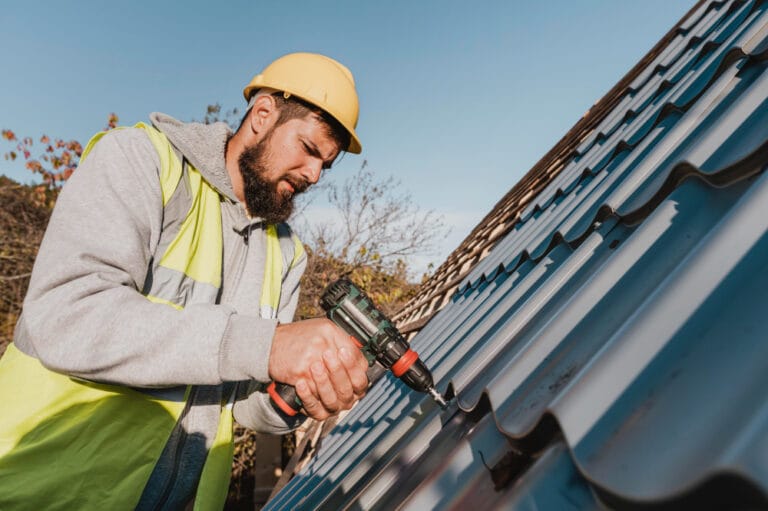
Replacing a roof is one of the biggest home improvement investments most homeowners make. Whether your roof has reached the end of its lifespan, suffered storm damage, or is causing leaks, understanding the roof replacement cost in 2026 helps you plan your budget and avoid unexpected expenses.
The total cost depends on several factors, including roofing material, roof size, labor rates, location, roof complexity, and whether old roofing needs to be removed.
In this guide, you’ll learn average roof replacement prices in 2026, what affects the cost, how different roofing materials compare, and practical ways to save money while protecting your home.
Average Roof Replacement Cost in 2026
In 2026, the average roof replacement cost for a typical U.S. home ranges between $7,500 and $22,000.
| Roof Size | Average Cost |
|---|---|
| 1,000 sq. ft. | $5,000–$9,000 |
| 1,500 sq. ft. | $7,000–$13,000 |
| 2,000 sq. ft. | $8,500–$16,000 |
| 2,500 sq. ft. | $11,000–$20,000 |
| 3,000 sq. ft. | $13,000–$25,000 |
These estimates include:
- Removal of old roofing
- Underlayment installation
- New roofing materials
- Flashing replacement
- Labor
- Cleanup and disposal
Actual pricing varies depending on your location and contractor.
What Affects Roof Replacement Cost?
Several factors influence how much you’ll pay for a new roof.
Roofing Material
Material selection has the biggest impact on price.
Premium roofing products last longer but cost significantly more than basic asphalt shingles.
Roof Size
Larger roofs require more materials and labor.
Roofing contractors usually measure roofs in roofing squares, where one square equals 100 square feet.
Roof Pitch
Steeper roofs are harder and more dangerous to work on.
Higher pitches increase labor costs because installers require additional safety equipment and more installation time.
Roof Complexity
Features that increase cost include:
- Multiple valleys
- Dormers
- Skylights
- Chimneys
- Solar panel removal
- Multiple roof levels
Complex roofs generate more material waste and require additional labor.
Geographic Location
Labor rates differ across the United States.
Urban areas generally have higher roofing costs than rural regions due to labor demand and permit fees.
Tear-Off vs Overlay
Removing old shingles increases project costs but ensures the roof deck can be inspected for hidden damage.
Although installing new shingles over existing ones costs less initially, complete replacement usually provides better long-term performance.
Roof Replacement Cost by Material
Choosing the right roofing material affects durability, maintenance, energy efficiency, and resale value.
Asphalt Shingles
Average Cost:
$4.50–$8.50 per square foot installed
Expected Lifespan:
20–30 years
Pros
- Most affordable
- Easy installation
- Wide color selection
- Good resale value
Best for:
Most residential homes.
Architectural Shingles
Average Cost:
$6–$11 per square foot
Expected Lifespan:
30–40 years
Advantages include:
- Better wind resistance
- Premium appearance
- Longer warranty
- Improved durability
Metal Roofing
Average Cost:
$9–$18 per square foot
Expected Lifespan:
40–70 years
Benefits:
- Energy efficient
- Fire resistant
- Lightweight
- Minimal maintenance
Although metal roofs cost more upfront, many homeowners recover the investment through lower maintenance and energy savings.
Wood Shingles and Cedar Shake
Average Cost:
$9–$16 per square foot
Expected Lifespan:
25–40 years
Benefits include:
- Natural appearance
- Excellent insulation
- Attractive curb appeal
However, they require regular maintenance and may not be permitted in wildfire-prone areas.
Clay Tile Roofing
Average Cost:
$14–$28 per square foot
Expected Lifespan:
50–100 years
Advantages:
- Exceptional durability
- Excellent heat resistance
- Premium appearance
Tile roofs require stronger structural support because of their weight.
Slate Roofing
Average Cost:
$18–$40 per square foot
Expected Lifespan:
75–150 years
Slate offers:
- Luxury appearance
- Outstanding lifespan
- Fire resistance
- Extremely low maintenance
It is one of the most expensive roofing materials available.
Roof Replacement Cost Breakdown
Here’s where your money typically goes during a roof replacement.
| Expense | Average Percentage |
| Roofing materials | 40% |
| Labor | 40–50% |
| Tear-off & disposal | 10% |
| Permits | 2–5% |
| Flashing & accessories | 5–10% |
Labor often represents the largest portion of the total project cost.
Labor Costs in 2026
Professional roofing labor generally costs between:
$2.50 and $6 per square foot
Labor pricing depends on:
- Roof pitch
- Accessibility
- Weather conditions
- Local wages
- Roofing material
- Crew size
Premium materials like slate and tile require specialized installers, increasing labor costs.
Additional Costs to Consider
Many homeowners overlook these expenses when budgeting.
Roof Deck Repairs
Damaged plywood may need replacement after old shingles are removed.
Average cost:
$70–$130 per sheet
Flashing Replacement
Replacing flashing around chimneys, vents, and skylights prevents leaks.
Average cost:
$250–$1,000
Gutter Replacement
Some homeowners replace gutters during roofing projects.
Average cost:
$1,200–$4,000
Roof Ventilation
Proper attic ventilation extends roof life and improves energy efficiency.
Ventilation upgrades typically cost:
$300–$1,500
Building Permits
Permit costs vary by city.
Typical range:
$150–$600
Signs You Need Roof Replacement
A complete replacement may be necessary if you notice:
- Roof older than 20–30 years
- Missing shingles
- Curling shingles
- Frequent leaks
- Water stains on ceilings
- Mold in attic
- Sagging roof deck
- Granules in gutters
- Storm damage
Ignoring these warning signs can lead to expensive structural repairs.
Roof Replacement vs Roof Repair
Sometimes repairs make more financial sense.
Choose repairs if:
- Damage affects a small area.
- Roof is less than 15 years old.
- Leak is localized.
- Structure remains sound.
Choose replacement if:
- Roof exceeds its expected lifespan.
- Multiple leaks exist.
- Storm damage is widespread.
- Repair costs approach 40–50% of replacement cost.
Replacing an aging roof often reduces long-term maintenance expenses.
How to Save Money on Roof Replacement
A new roof doesn’t always have to exceed your budget.
Consider these money-saving strategies:
Compare Multiple Quotes
Obtain at least three estimates from licensed contractors.
Schedule During Off-Season
Late fall and winter may offer lower pricing in some regions.
Check Insurance Coverage
Storm or hail damage may qualify for partial insurance reimbursement.
Select Long-Term Value
Cheaper roofing materials may require replacement sooner.
Investing in quality products can reduce lifetime ownership costs.
Ask About Financing
Many roofing companies provide monthly payment options for qualified homeowners.
Final Thoughts
Understanding roof replacement costs in 2026 allows homeowners to budget confidently and choose the right roofing solution for their property. While asphalt shingles remain the most affordable option, premium materials such as metal, tile, and slate offer greater durability and a longer lifespan.
When comparing estimates, don’t focus solely on the lowest price. Consider the quality of materials, workmanship, warranties, and the contractor’s experience. A professionally installed roof protects your home, improves energy efficiency, enhances curb appeal, and can increase property value for decades.
Frequently Asked Questions
How much does it cost to replace a 2,000-square-foot roof in 2026?
Most homeowners spend between $8,500 and $16,000, depending on materials, labor, and roof complexity.
Is metal roofing worth the extra cost?
Yes. Metal roofs typically last 40–70 years, require less maintenance, and improve energy efficiency, making them a strong long-term investment.
Does homeowners insurance cover roof replacement?
Insurance usually covers replacement caused by covered events such as hail, wind, or falling trees. Normal aging and wear are generally not covered.
How long does roof replacement take?
Most residential roof replacements are completed within 1–3 days, although larger or more complex roofs may take longer.
Can I replace my roof myself?
DIY roof replacement is not recommended due to safety risks, building code requirements, and potential warranty issues. Hiring an experienced roofing contractor is usually the safest option.