
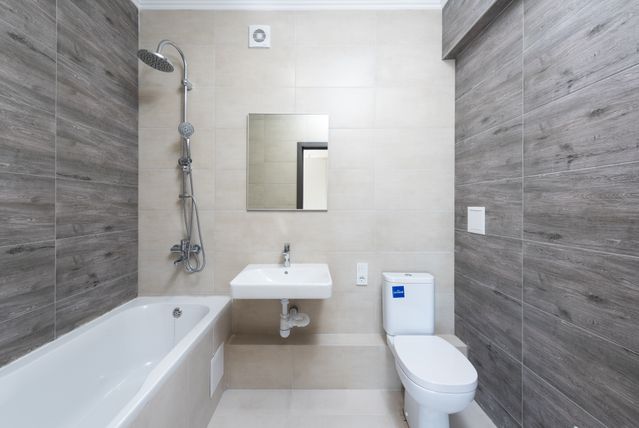
Bathroom tile replacement is one of the best ways to update the look, improve the functionality and increase the value of your home. Whether you are replacing cracked floor tiles, updating outdated wall tiles or giving your entire bathroom a modern makeover, it is important to know the costs involved before starting your project.
The price of bathroom tile replacement in 2026 will depend on the size of your bathroom, the type of tile you choose, labor rates in your area, and any repairs that need to be made to the existing flooring or walls.
This guide explains everything homeowners need to know about bathroom tile replacement costs, what influences pricing, and how to plan a renovation that fits both your style and budget.
Average Bathroom Tile Replacement Cost in 2026
Bathroom Tile Replacement Cost in 2026 Most homeowners will pay between $1,500 and $6,500. In smaller bathrooms, you’ll usually find standard ceramic tiles, but the price can go up quite a bit if you opt for high-end materials or custom tile designs.
Here’s a general pricing overview:
| Project Type | Estimated Cost |
|---|---|
| Small bathroom floor tile replacement | $1,500–$2,500 |
| Medium bathroom tile replacement | $2,500–$4,500 |
| Large bathroom with floor and wall tiles | $4,500–$6,500+ |
| Luxury bathroom tile renovation | $7,000–$12,000+ |
The final investment depends on the cost of the material and how complicated the installation is. Complex tile patterns, improved waterproofing, heated floor systems and high-grade natural stone add it all up.
What Factors Affect Bathroom Tile Replacement Costs?
The total cost of replacing bathroom tile depends on a number of variables. If you know these factors, it is possible to establish a realistic renovation budget and avoid unexpected expenses.
Bathroom Size
Total square footage is one of the largest cost drivers. Bigger bathrooms require more tiles, more tile adhesive, more grout, more waterproof membranes, and more man-hours.
For example:
- Powder rooms generally cost the least.
- Guest bathrooms fall in the mid-range.
- Primary bathrooms with separate showers, tubs, and feature walls require more materials and installation time.
Even a small increase in square footage can noticeably affect your overall renovation cost.
Type of Tile Material
Price is heavily affected by tile selection.
Ceramic tile is one of the most popular and affordable options because of its durability and wide array of styles.
Porcelain tile costs more, but it’s very moisture resistant and is great for bathroom floors and showers.
Natural stone like marble, slate or travertine looks luxurious but requires sealing and special installation.
Glass mosaic tiles are often used as backsplashes or accents in showers and are generally more expensive because they require more precise installation.
The right material is a balancing act between look, upkeep, durability, and long-term value.
Labor Costs
For a bathroom tile replacement, labor costs are usually between 40% to 60% of the total cost.
Labor includes:
- Removing existing tiles
- Surface preparation
- Repairing damaged subfloors or backer boards
- Waterproofing
- Installing new tiles
- Grouting
- Sealing (when necessary)
- Cleanup
Porcelain tiles in herringbone, hexagon, basketweave, or large format sizes are usually more labor intensive and costly to install.
Hiring experienced tile professionals may cost more upfront but usually results in better long-term performance and fewer repair issues.
Tile Removal and Surface Preparation
Changing bathroom tiles is more than simply laying new tiles over old ones.
Existing tiles often have to be carefully removed without damaging the underlying structure. Contractors will also look for:
- Water damage
- mould
- Subflooring is loose
- Cement boards cracked
- uneven surface
If you fix these problems before laying the tiles, the new tiles will stay solid and last for years to come.
Bathroom Floor Tile Replacement vs Wall Tile Replacement
Usually bathroom floor tiles will be more expensive than wall tiles as floors are subjected to a lot more foot traffic and need a tougher substrate preparation.
Wall tiles are generally quicker to put up, particularly away from showers.
If you’re replacing tiles inside a shower, you’ll pay extra for waterproofing membranes, corner details, niche installation and moisture-resistant materials.
A lot of homeowners choose to replace the wall and floor tiles simultaneously for a unified design and reduced overall labor cost than doing it separately.
Hidden Costs Homeowners Often Overlook
Many bathroom renovation budgets miss small costs that can add up during the project.
Hidden costs are common and include:
- Application of waterproofing membrane
- New Cement Backerboard
- Subfloor repair
- Mold removal
- Disposal fees for old tile
- Plumbing fixtures removal and installation
- Trim & Transition Pieces
- Premium grout or sealing
Talking to your contractor about these potential costs before the work begins is a good idea to prevent surprises.
How to Save Money on Bathroom Tile Replacement
Bathroom tile replacements don’t have to be expensive. With good planning you can do it very cheaply, and still get professional results.
Consider these money-saving strategies:
- Use standard tile sizes instead of custom.
- Use costly decorative tiles only in accents.
- Stick with your existing bathroom layout to avoid plumbing changes.
- Buy tiles during seasonal sales or clearance sales.
- Get a few contractor estimates before making a decision.
- Choose durable materials that won’t need much upkeep over the years.
The cheapest is not necessarily the most economical. A good installation will often save you money on repairs down the road.
Is DIY Bathroom Tile Replacement Worth It?
Many homeowners look to DIY bathroom tile replacement to cut down on labor costs.
You may think you can do a small bathroom floor yourself but tile installation is a trade skill that requires special skills to ensure the tile is aligned correctly, waterproofed, leveled and the grout is even.
Errors might result from:
- Cracked tile
- Coarse surfaces
- Water leaks
- Mold development
- Future repairs could be costly
DIY jobs can be great for seasoned homeowners, but bigger bathrooms, showers, and more complex layouts are generally best left to the pros.
Does Bathroom Tile Replacement Increase Home Value?
Buyers notice a modern bathroom that’s tiled by a professional on home tours.
Updated bathrooms can often provide benefits such as:
- Enhanced visual appeal
- Improved moisture protection
- Simple to clean and maintain
- More confidence to buyers
- Higher resale value
The return on investment will vary based on the market, but replacing old or damaged bathroom tiles can help make your home more attractive and competitive when it’s time to sell.
Choosing the Right Tiles for Long-Term Value
When selecting replacements, seek out tiles that are attractive as well as functional.
Look for materials that provide:
- High slip resistance
- Very good water resistance
- Easy-care
- Extended lifespan
- Timeless design
- Suitable for use with underfloor heating if required
Neutral colors and classic patterns also have a better chance of being in style longer than ultra-trendy designs, helping your renovation to remain valuable for years to come.
Final Thoughts
Bathroom tile replacement is a worthwhile investment that enhances both the appearance and functionality of one of the most frequently used spaces in your home. In 2026, most homeowners can expect to spend between $1,500 and $6,500, with the total cost influenced by bathroom size, tile material, labor rates, demolition requirements, and necessary structural repairs.
While it may be tempting to focus solely on material prices, quality installation, proper waterproofing, and durable products are what ultimately determine the longevity of your renovation. By planning your budget carefully, comparing contractor estimates, and choosing tiles that balance style with performance, you can create a bathroom that looks beautiful and stands up to daily use for many years.