
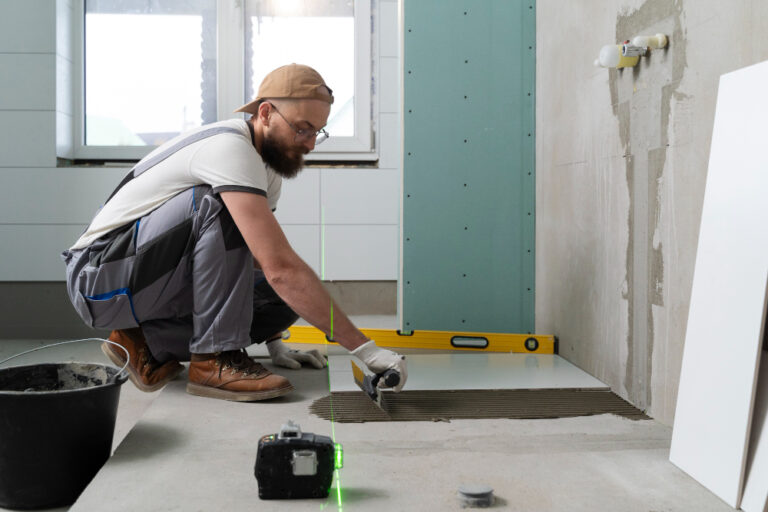
A small bathroom renovation costs $3,000 to $15,000 in 2026, with most homeowners spending around $6,500. A cosmetic refresh (paint, new vanity, updated fixtures) runs $2,000–$6,500, while a full gut renovation with new plumbing and tile reaches $15,000 or more. Cost per square foot averages $115–$300, depending on materials and whether you move existing plumbing.
This guide breaks down real 2026 pricing, the smartest layout and design ideas for tight spaces, and a step-by-step planning process that prevents the budget blowouts most homeowners face.
What Counts as a Small Bathroom?
The majority of contractors consider a small bathroom to be 40 square feet or less. That includes the ubiquitous 5×8 and 5×7 layouts found in millions of American homes, as well as 6×6 spaces and small primary bathrooms attached to bedrooms.
Powder rooms are even smaller, usually 15 to 20 square feet, because they only need a sink and toilet. It is not easy to renovate these rooms, however small they may be. A bathroom is, pound for pound, one of the most heavily plumbed, wired and waterproofed spaces in the house. That density is exactly why small bathrooms cost more per square foot than larger ones.
Small Bathroom Renovation Cost Breakdown
The total cost depends heavily on scope. Most projects fall into one of three tiers.
| Renovation Tier | Cost Range | What’s Included |
|---|---|---|
| Cosmetic refresh | $2,000–$6,500 | Paint, new vanity, updated fixtures, and flooring |
| Mid-range update | $6,500–$15,000 | New flooring, tub/shower, lighting, mid-grade fixtures |
| Full gut renovation | $15,000–$30,000+ | Down to studs, plumbing/electrical changes, custom finishes |
The average project for cosmetic small bathroom updates is $3,000 to $8,000, according to This Old House’s 2026 national survey of 1,000 homeowners, and full renovations tend to be $8,000 to $18,000 or more, depending on materials, labor, and layout changes. According to a 2026 industry analysis, the average cost of a typical remodel in a small bathroom is $6,500, with the actual range being from $2,000 for a basic refresh to $15,000 or more for a full gut job.
Cost Per Square Foot: How to Budget Accurately
Square footage is the fastest way to get a realistic budget range before calling a contractor.
| Project Tier | Cost Per Sq. Ft. | 40 Sq. Ft. Bathroom Total |
|---|---|---|
| Budget refresh | $90–$175 | $3,600–$7,000 |
| Mid-range remodel | $175–$280 | $7,000–$11,200 |
| Premium finishes | $300–$500 | $12,000–$20,000 |
To estimate your own cost, take the square footage of your bathroom and multiply that by the cost per square foot within the range that matches your goals. A mid-range 40-square-foot bathroom will be close to $9,000, which is a good starting point before you get quotes from contractors.
Where Your Renovation Budget Actually Goes
Labor is the biggest bite out of every small bathroom renovation budget. Here’s the typical cost split for a $10,000 mid-range renovation:
- Labor: $4,500–$5,500 (plumbers, electricians, tile installers, general contractor)
- Materials and fixtures: $3,500–$4,500 (tile, vanity, toilet, tub/shower, lighting)
- Permits and inspections: $200–$1,000 (required for plumbing, electrical, or structural changes)
- Contingency fund: $1,000–$1,500 (recommended 15–20% buffer for hidden issues)
Specialty trades bill differently from general contractors. Plumbers generally charge $45-$200 per hour. Electricians charge $50-$100 per hour. Tile installers charge either per hour or per square foot. For anything more complicated than changing a fixture, always hire a licensed plumber or electrician.
The Single Biggest Cost-Saving Decision: Keep the Layout
That’s not to say your bathroom has to feel stuck. You can totally transform the look of a small bathroom with new tile, a new vanity, new lighting, and new paint without touching a single pipe. Reserve the layout changes for times when the current design is not going to work, like a cramped doorway swing or a toilet too close to the tub.
Even moving a toilet 3 feet will cost you $2000 or more because the contractor has to cut into the floor and reroute the drain line. Add even more for moving a shower or tub: “Keep your toilet, sink and shower in place. You can save $3,000 to $10,000 by not moving everything around,” he says.
That doesn’t mean your bathroom needs to feel stagnant. You can totally transform the look of a small bathroom with new tile, a new vanity, new lighting and new paint without touching a single pipe. Reserve the layout changes for times when the current design is not going to work, like a cramped doorway swing or a toilet too close to the tub.
Small Bathroom Layout Ideas That Maximize Space
The proper layout can make a 40-square-foot bathroom feel twice as large. Some tried and true approaches work well in tight space.
Single-Wall Layout
All fittings, sink, toilet, and shower are all lined up against one wall. This keeps plumbing simple and is one of the most budget-friendly layouts for a small bathroom, requiring minimal pipe routing.
Walk-In Shower Instead of a Tub
Replacing a tub with a walk-in shower is one of the most popular small bathroom upgrades for 2026. It opens up visual space, and it doesn’t feel claustrophobic like a tub-shower combo. According to Angi, a tub-to-shower conversion costs about $3,000 on average and has a 60% return on investment, but only if there’s another bathroom in your home that still has a tub, because families with young kids often find a tub essential for resale.
Floating Vanity
A wall-mounted vanity gives you visible floor space underneath, making the room appear larger. Pre-fab floating vanities with a built-in sink top run $400-$1,200, far less than a custom cabinet.
Pocket Door Instead of a Swinging Door
A standard swinging door in a small bathroom eats up 8-10 sq. ft. of usable floor space. A pocket door that slides into the wall takes that space back completely. This is best done when doing a complete renovation, because you need to open up the wall.
Design Ideas That Make a Small Bathroom Feel Bigger
Smart material and color choices do as much work as the layout itself.
Large-format tile cuts down on visual clutter. Big tiles mean fewer grout lines, which helps the floor and walls read as one continuous surface rather than a busy patchwork. Marble-looking porcelain tile costs $2.50–$8.00 a square foot and gives you a high-end look for a fraction of the cost of natural stone.
Light warm neutrals expand the space. Cold stark white can be sterile and clinical in a small space. Soft beige, warm gray or muted sage will feel calmer and more spa-like, without sacrificing brightness.
Big mirrors extend the apparent space. A mirror that spans the full width of the vanity reflects more light and creates the illusion of a larger room.
Instead of curtains, glass shower doors. A clear glass enclosure allows sightlines to go further across the room, while a shower curtain visually divides the space in half.
Store vertically, not on the floor. Wall-mounted shelving and recessed medicine cabinets keep the floor clear, which is hugely important in a 40-square-foot room where every inch matters.
Step-by-Step Small Bathroom Renovation Planning Process
Careful planning in renovation can avoid most of the budget overruns that homeowners experience. Follow this order.
1. Set your budget tier first. Decide upfront whether you’re doing a cosmetic refresh, mid-range update, or full gut renovation. This single decision shapes every choice that follows.
2. Get three contractor quotes. Pricing varies significantly by region and contractor. Comparing multiple bids protects you from overpaying and helps you spot red flags in scope or materials.
3. Lock in your material selections before the demo starts. Late material orders cause the most common construction delays. Choose your tile, vanity, fixtures, and paint colors before any wall comes down.
4. Check whether you need a permit. Cosmetic updates like paint, hardware, and a same-location vanity swap typically don’t require one. Projects involving plumbing, electrical, or structural changes usually do. Permit costs range from $200 to $1,000, depending on your city.
5. Budget a 15–20% contingency fund. Roughly 30% of bathroom remodels uncover hidden water damage, mold, or outdated wiring once demolition begins, according to Angi’s 2026 industry data. A contingency fund prevents this from derailing your entire project.
6. Plan your timeline realistically. A cosmetic refresh takes 1–3 weeks. A full gut renovation typically runs 3–10 weeks, including 4–8 weeks of planning and permitting before construction even starts.
5 Common Small Bathroom Renovation Mistakes
- Moving plumbing without a budget. This is the No. 1 most expensive surprise homeowners encounter. Always check with your contractor on the plumbing costs before you commit to a change in layout.
- Take away the contingency fund. One out of three projects finds hidden damage behind walls or under flooring. Without a buffer, this stalls the project or forces cutting corners elsewhere.
- Wrong materials for wet areas. In a shower area, you will have mold on standard drywall within a year or two. Wet areas should always use a moisture-resistant board and appropriate waterproofing membranes.
- Taking out the only bathtub in the house. A walk-in shower feels modern, but if it’s your only bathing option in your home, it can hurt resale value with family buyers. If you plan on selling eventually, you should keep at least one tub somewhere in the house.
- Underestimating lighting requirements. An overhead light, single, throws shadows on the face in the mirror. Add lights on either side of the mirror for even, flattering light. This is an easy fix during renovation and an expensive fix after.
Pro Tip: Order Long-Lead Items Early
Even in a fast-moving market, custom vanities, specialty tile, and some fixtures can take 4-8 weeks to arrive. In projects, I’ve followed the single biggest cause of timeline delays isn’t labor – it’s waiting on a backordered vanity or tile shipment after demo has already started. Even without locking in your contractor’s schedule, order anything custom or imported as soon as your design is finalized.
Is a Small Bathroom Renovation Worth It?
Yes, based on present return-on-investment data. The Remodeling 2025 Cost vs. Value Report shows a mid-range bathroom remodel recoups about 74–80% of its cost when the house is sold, the strongest return for this category since 2007. Cosmetic updates on a budget often come back even more, in the 70-85% range, while Luxury renovations with high-end materials usually come back only 36-55%.
That means a smart, well-planned small bathroom renovation is one of the better home investments, especially compared to larger, more expensive remodels with lower percentage returns.
Frequently Asked Questions
How much does it cost to renovate a small bathroom?
Most small bathroom renovations cost between $3,000 and $15,000, with a 2026 national average around $6,500. Basic cosmetic refreshes run as low as $2,000, while full gut renovations can exceed $15,000.
What is the cheapest way to renovate a small bathroom?
Keep the existing plumbing layout, refinish the tub instead of replacing it ($300–$600), choose luxury vinyl plank flooring instead of tile, and use a prefabricated vanity instead of custom cabinetry.
Do I need a permit for a small bathroom renovation?
Cosmetic updates like painting or swapping a faucet usually don’t require a permit. Any project involving plumbing relocation, electrical work, or structural changes typically requires it, and skipping this step can cause fines or problems at resale.
How long does a small bathroom renovation take?
A cosmetic refresh takes 1–3 weeks. A full gut renovation usually takes 3–10 weeks, including planning and permitting time before construction begins.
Should I convert my tub to a shower in a small bathroom?
A tub-to-shower conversion makes a small bathroom feel more open and averages around $3,000. It’s a smart move if another bathroom in your home still has a tub. If this is your only bathroom, keep a tub for resale appeal to families with kids.
What adds the most value to a small bathroom renovation?
Updated tile, a new vanity, modern lighting, and a walk-in shower tend to deliver the strongest combination of visual impact and resale return, without the high cost of moving plumbing.