
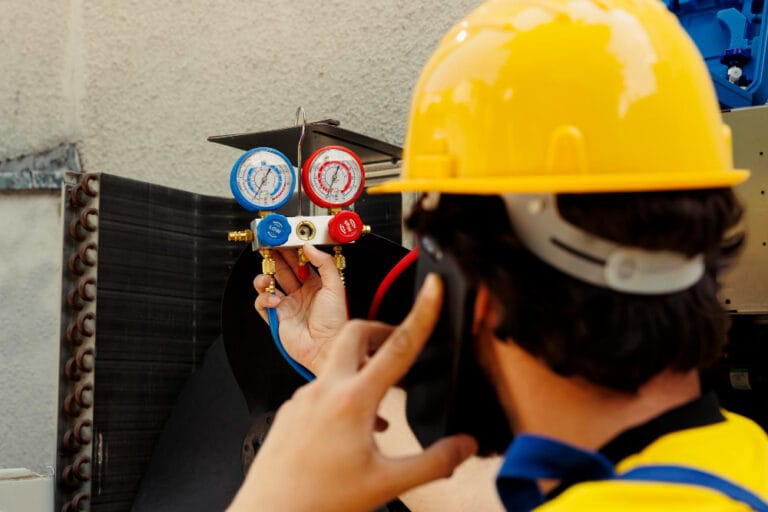
Installing a new HVAC (Heating, Ventilation, and Air Conditioning) system is one of the most valuable home improvement projects you can make. A modern HVAC system improves indoor comfort, reduces energy bills, enhances air quality, and can increase your home’s resale value.
In 2026, the average HVAC installation cost ranges from $6,500 to $18,000, with most U.S. homeowners spending around $10,500 for a complete system replacement. The final price depends on your home’s size, HVAC system type, energy efficiency rating, ductwork condition, labor costs, and local climate.
This complete guide explains average HVAC installation costs, pricing by system type, labor expenses, additional costs, and practical tips to save money on your next HVAC upgrade.
Average HVAC Installation Cost in 2026
The cost of installing an HVAC system varies depending on the equipment and complexity of the project.
| HVAC System | Average Installed Cost |
|---|---|
| Central Air Conditioner | $4,500–$9,000 |
| Gas Furnace | $3,500–$8,000 |
| Heat Pump | $6,000–$14,000 |
| Ductless Mini-Split | $3,000–$10,000 |
| Complete HVAC System (AC + Furnace) | $7,500–$15,000 |
| High-Efficiency HVAC System | $12,000–$20,000+ |
Typical installation costs include:
- HVAC equipment
- Indoor and outdoor units
- Professional installation
- Refrigerant
- Basic electrical connections
- Thermostat installation
- System testing
- Cleanup
Projects requiring ductwork replacement or electrical upgrades will cost more.
Factors That Affect HVAC Installation Cost
Several factors determine the total cost of installing a new HVAC system.
Home Size
Larger homes require larger-capacity HVAC systems.
Typical system sizes include:
- 1–2 Tons (Small homes)
- 2.5–3 Tons (Average homes)
- 4–5 Tons (Large homes)
Choosing the correct size improves comfort and energy efficiency.
Type of HVAC System
Different systems have different installation costs.
Central Air Conditioning
Average Cost:
$4,500–$9,000
Benefits:
- Whole-home cooling
- Quiet operation
- Energy efficient
- Compatible with existing ductwork
Gas Furnace
Average Cost:
$3,500–$8,000
Advantages:
- Reliable heating
- Lower operating costs in cold climates
- Long lifespan
Heat Pump
Average Cost:
$6,000–$14,000
Benefits:
- Heating and cooling in one system
- High energy efficiency
- Lower utility bills
- Eco-friendly operation
Heat pumps are increasingly popular in moderate climates due to their efficiency.
Ductless Mini-Split System
Average Cost:
$3,000–$10,000
Ideal for:
- Home additions
- Older homes without ductwork
- Garages
- Individual room climate control
HVAC Installation Cost by Home Size
Home square footage plays a major role in determining installation costs.
| Home Size | Average Cost |
|---|---|
| Up to 1,000 sq. ft. | $6,000–$8,500 |
| 1,000–1,500 sq. ft. | $7,000–$10,000 |
| 1,500–2,500 sq. ft. | $8,500–$13,500 |
| 2,500–3,500 sq. ft. | $11,000–$16,500 |
| 3,500+ sq. ft. | $14,000–$22,000+ |
Proper system sizing is essential. An oversized or undersized unit can reduce efficiency and shorten equipment life.
Labor Cost for HVAC Installation
Professional HVAC installation generally costs between:
$2,000 and $6,000
Labor costs depend on:
- Equipment type
- Installation complexity
- Existing ductwork
- Electrical upgrades
- Local labor rates
- Permit requirements
Hiring a licensed HVAC contractor helps ensure safe installation and warranty compliance.
Ductwork Installation Cost
If your home needs new ductwork, expect to pay:
$2,000–$7,000
Factors affecting ductwork costs include:
- Home size
- Number of vents
- Duct material
- Accessibility
- Insulation requirements
Leaky or poorly designed ducts can reduce HVAC efficiency and increase energy bills.
Additional HVAC Installation Costs
Many HVAC projects include additional upgrades.
Smart Thermostat
Average Cost:
$200–$600
A smart thermostat can improve comfort and reduce heating and cooling costs through automated scheduling.
Electrical Upgrades
Average Cost:
$500–$2,500
Older homes may require panel upgrades or new electrical circuits.
Air Purification System
Average Cost:
$500–$2,000
Indoor air quality upgrades may include:
- Whole-house air purifiers
- UV lights
- HEPA filtration systems
Humidifier or Dehumidifier
Average Cost:
$400–$2,000
These systems improve indoor comfort and help protect wood flooring and furniture.
Permit Fees
Permit costs typically range from:
$100–$500
Permit requirements vary by city and county.
High-Efficiency HVAC Systems
High-efficiency systems have a higher upfront cost but can reduce monthly utility bills.
Look for:
- ENERGY STAR® certification
- High SEER2 ratings for air conditioners
- High AFUE ratings for furnaces
- High HSPF2 ratings for heat pumps
Although premium systems cost more initially, they often provide lower operating costs over their lifespan.
Signs It’s Time to Replace Your HVAC System
You may need a new HVAC system if you notice:
- System is over 15–20 years old
- Frequent repairs
- Rising energy bills
- Uneven heating or cooling
- Strange noises
- Poor indoor air quality
- Excess humidity
- Refrigerant leaks
Replacing an aging system can improve comfort while reducing maintenance expenses.
HVAC Repair vs. Replacement
Repair May Be the Better Choice If:
- The system is under 10 years old.
- Repairs are minor.
- Energy efficiency remains acceptable.
- Repair costs are relatively low.
Replacement Is Usually Better If:
- The system is nearing the end of its lifespan.
- Repair costs exceed 40–50% of replacement cost.
- Major components have failed.
- You want better energy efficiency and lower utility bills.
How to Save Money on HVAC Installation
Compare Multiple Quotes
Get estimates from at least three licensed HVAC contractors.
Install During the Off-Season
Spring and fall often have lower demand, which may result in better pricing.
Check Utility Rebates
Many utility companies and government programs offer rebates for installing energy-efficient HVAC equipment.
Improve Home Insulation
Better insulation reduces the size of the HVAC system your home needs and lowers energy costs.
Replace Air Filters Regularly
Routine maintenance helps your new HVAC system operate efficiently and last longer.
Does a New HVAC System Increase Home Value?
Yes. A new HVAC system can make your home more attractive to buyers and improve long-term value.
Benefits include:
- Lower energy bills
- Better indoor comfort
- Improved air quality
- Reduced maintenance costs
- Higher resale appeal
- Increased energy efficiency
Many buyers view a recently installed HVAC system as a major selling point.
Final Thoughts
Installing a new HVAC system is a significant investment that improves comfort, energy efficiency, and indoor air quality. While installation costs vary depending on the equipment, home size, ductwork, and labor, understanding these factors helps you make informed decisions and budget confidently.
Whether you’re installing a central air conditioner, a heat pump, or a complete heating and cooling system, choosing energy-efficient equipment and working with a licensed HVAC contractor will provide the best long-term value. Compare multiple estimates, explore available rebates, and invest in routine maintenance to maximize the performance and lifespan of your new HVAC system.
Frequently Asked Questions
FAQs
How much does HVAC installation cost in 2026?
Most homeowners spend between $6,500 and $18,000, depending on the system type, home size, ductwork, and labor.
How long does HVAC installation take?
Most installations take 1 to 3 days, while projects involving new ductwork or major electrical work may take several days longer.
Is a heat pump cheaper than a traditional HVAC system?
Heat pumps often cost more to install initially but can reduce long-term energy costs, especially in moderate climates.
How long does an HVAC system last?
With proper maintenance, most HVAC systems last 15 to 20 years. Regular servicing can help extend equipment life.
Can I install an HVAC system myself?
DIY HVAC installation is not recommended. Proper sizing, refrigerant handling, electrical work, and code compliance require trained professionals.